
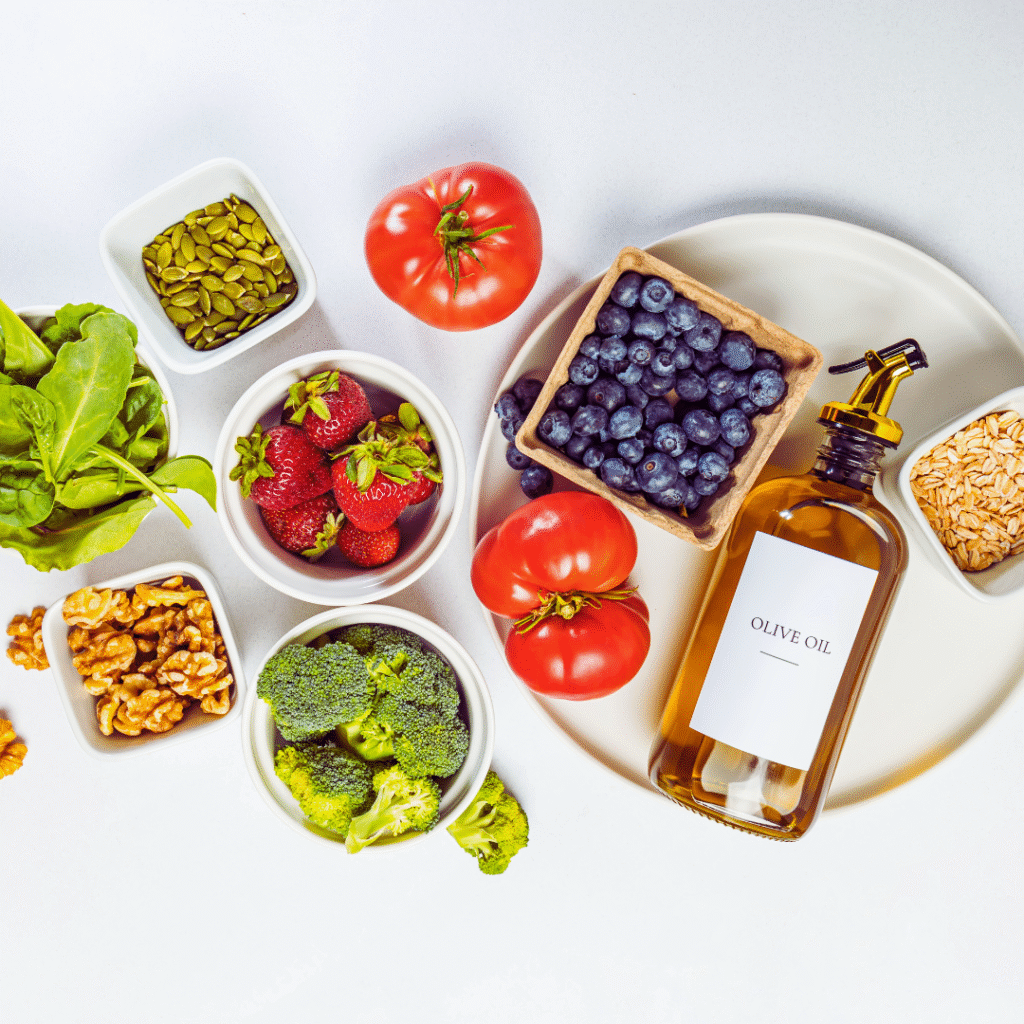
Athletes constantly seek ways to enhance performance and speed up recovery. Incorporating anti-inflammatory foods into their diet can significantly reduce muscle soreness and improve overall health, allowing them to train harder and recover faster. By focusing on nutrition that combats inflammation, athletes can maintain higher energy levels and better physical resilience.
Research shows that certain foods, such as berries, fatty fish, and leafy greens, are rich in antioxidants and omega-3 fatty acids. These nutrients play a crucial role in mitigating the oxidative stress and inflammation that often accompany rigorous training regimens. Emphasizing these foods not only supports athletic performance but also aids in long-term health.
As athletes push their bodies to the limits, proper nutrition becomes essential. By understanding and utilizing the benefits of anti-inflammatory foods, they can create a solid foundation for sustained success in their sport.
Understanding Inflammation and Athletic Performance
Inflammation plays a crucial role in athletic performance and recovery. It is essential for athletes to understand how inflammation affects their bodies, especially regarding muscle damage and immune response.
What Is Inflammation?
Inflammation is a natural immune response to injury or infection. It involves a complex interaction of immune cells, signaling molecules, and blood vessels. There are two main types of inflammation: acute and chronic.
- Acute inflammation occurs as a response to immediate harm, such as a sprain or strain. It typically resolves within a few days to weeks.
- Chronic inflammation persists over an extended period and can be detrimental, leading to various health issues.
For athletes, understanding this distinction helps in managing injuries and recovery effectively.
How Inflammation Affects Athletes
Inflammation influences several aspects of an athlete’s performance. After intense exercise, muscle fibers can sustain damage, triggering an inflammatory response that leads to soreness and stiffness.
- Recovery time is affected by the severity and duration of inflammation. Excessive inflammation can slow the healing process and prolong downtime.
- Inflammation can also impact immune function, making athletes more susceptible to illness during heavy training phases.
By managing inflammation through diet and lifestyle, athletes can enhance their recovery and maintain performance.
The Role of Chronic Inflammation in Sports
Chronic inflammation poses significant risks for athletes. It can lead to persistent muscle soreness, joint pain, and fatigue.
- It may also hinder the immune system, increasing the likelihood of infections. This effect can derail training schedules and performance goals.
- Chronic inflammation can result from overtraining, poor nutrition, or underlying health conditions.
Recognizing the signs of chronic inflammation is essential for athletes to avoid its potential pitfalls and optimize their training strategies. Managing this condition often involves dietary adjustments and recovery strategies tailored to individual needs.
Key Benefits of Anti-Inflammatory Foods for Athletes
Anti-inflammatory foods offer crucial advantages for athletes. They support recovery, enhance immune function, and promote muscle health, all essential for peak performance. These benefits can contribute significantly to an athlete’s training and competitive outcomes.
Enhancing Recovery and Tissue Repair
Anti-inflammatory foods, such as berries, fatty fish, and leafy greens, play a vital role in recovery. These foods provide antioxidants and omega-3 fatty acids that reduce inflammation in tissues.
By incorporating these foods, athletes experience quicker recovery times after strenuous workouts. Reduced inflammation contributes to less soreness and swifter tissue repair, allowing athletes to train more frequently and effectively.
Regular consumption of anti-inflammatory options can optimize muscle repair processes, leading to improved training outcomes and sustained performance levels.
Supporting Immune Health and Reducing Illness
Athletes undergo intense physical stress, sometimes compromising their immune system. Anti-inflammatory foods help bolster the immune response, reducing the risk of illness.
Nutrient-dense foods rich in vitamins and minerals, like citrus fruits and nuts, strengthen immune defenses. A strong immune system is crucial for athletes to maintain consistent training schedules and avoid downtime due to sickness.
Additionally, these foods can mitigate inflammatory responses that may arise after intense exercise, further supporting overall health and performance.
Improving Muscle Mass and Reducing Muscle Damage
For athletes focused on building muscle mass, anti-inflammatory foods can be particularly beneficial. Protein-rich sources combined with anti-inflammatory properties, such as legumes and certain dairy products, promote muscle recovery and growth.
Inflammation can lead to muscle damage and hinder performance. Consuming anti-inflammatory foods helps reduce muscle damage during recovery periods. This can lead to improved strength, endurance, and overall athletic performance.
In turn, focusing on anti-inflammatory options creates an environment conducive to building and maintaining optimal muscle mass.
Injury Prevention and Joint Health
Injuries are a significant concern for athletes, making injury prevention critical. Anti-inflammatory foods contribute to joint health, reducing the risk of injuries caused by inflammation.
Foods like turmeric and ginger contain compounds that have been shown to alleviate joint pain and improve mobility. This can enhance flexibility, allowing athletes to perform movements with greater ease and less risk of injury.
By maintaining strong joints and minimizing inflammation, athletes can ensure long-term success and minimize time spent sidelined by injury.
Essential Anti-Inflammatory Foods and Nutrients
A variety of foods and nutrients play a crucial role in reducing inflammation for athletes. Incorporating these into daily meals can enhance recovery and overall health. Below, important categories of anti-inflammatory foods are outlined.
Fruits and Vegetables Rich in Antioxidants
Fruits and vegetables are key sources of antioxidants, which help combat oxidative stress in the body. Colorful varieties offer the most benefits; for example, blueberries, raspberries, and blackberries are particularly high in anthocyanins.
Leafy greens, such as kale and spinach, provide vitamins A, C, and K, along with fiber. Regular consumption of these foods not only supports immune function but also enhances athletic performance.
A diverse plate, filled with bright colors, contributes a wide spectrum of nutrients essential for reducing inflammation. Adding a mix of these options can help maximize health benefits.
Omega-3 Fatty Acids and Fatty Fish
Omega-3 fatty acids are essential for reducing inflammation, particularly for athletes who experience muscle soreness. Fatty fish like salmon, mackerel, and sardines are rich in EPA and DHA, two types of omega-3s known for their anti-inflammatory properties.
Incorporating these fish into meals two to three times a week can significantly impact recovery times and joint health. For those who prefer plant sources, chia seeds and walnuts are excellent alternatives.
These options provide adequate omega-3s without the need for fish. These fatty acids not only support cardiovascular health but also play a crucial role in muscle recovery.
Nuts, Seeds, and Healthy Oils
Nuts and seeds are nutrient-dense foods that offer protein, healthy fats, and antioxidants. Walnuts, almonds, and chia seeds are notable for their omega-3 content, which aids in inflammation reduction.
Healthy oils, particularly olive oil, are also vital. Extra virgin olive oil contains oleocanthal, a compound with properties similar to anti-inflammatory drugs.
Using these oils in cooking or as salad dressings adds flavor and health benefits. Including a variety of nuts and seeds daily can provide essential minerals and support energy levels during intense training.
Whole Grains, Legumes, and Plant-Based Protein
Whole grains and legumes offer complex carbohydrates and are packed with fiber, which plays a role in maintaining gut health and reducing inflammation. Choices like quinoa, brown rice, lentils, and chickpeas provide sustained energy for athletes.
Plant-based proteins from these sources also contribute to muscle repair and growth. Foods such as lentils and beans are not only nutritious but also environmentally friendly.
Incorporating these foods into a balanced diet ensures that athletes receive adequate nutrients essential for performance and recovery. The combination of grains and legumes can help create complete proteins necessary for overall health.
Optimizing Sports Nutrition With Anti-Inflammatory Strategies
Athletes can significantly enhance their performance and recovery by adopting anti-inflammatory strategies in their nutrition. These strategies focus on maintaining a well-balanced diet, supporting gut health, and making informed choices regarding hydration and supplementation.
Building a Well-Balanced Diet for Athletes
A well-balanced diet for athletes should include a variety of whole foods rich in nutrients. Key components include:
- Fruits and Vegetables: Aim for a colorful array, as different colors provide various antioxidants and vitamins. Berries are high in polyphenols, while leafy greens supply essential vitamins and minerals.
- Whole Grains: Foods like quinoa and brown rice are excellent sources of complex carbohydrates that support glycogen replenishment post-exercise.
- Lean Proteins: Sources such as chicken, fish, and plant-based proteins help with muscle recovery and overall performance.
Nutritional focus on foods containing anti-inflammatory properties, like ginger and turmeric, can enhance recovery and reduce oxidative stress related to intense training.
Supporting Nutrient Absorption and Gut Health
Proper gut health is essential for optimal nutrient absorption. Incorporating prebiotic and probiotic foods can enhance gut microbiome balance.
- Prebiotics: Foods like onions, garlic, and bananas support the growth of beneficial gut bacteria.
- Probiotics: Yogurt and fermented foods can help maintain a healthy gut lining.
Including adequate fat-soluble vitamins (like vitamins A, D, E, and K) is also crucial. Fat sources such as avocados and nuts promote the absorption of these vitamins. Zinc plays an important role in immune function, while calcium and vitamin D support bone health, crucial for athletes.
Hydration, Supplements, and Food Choices
Hydration is vital for athletes to maintain performance. Water intake should be balanced with sports drinks when exercising for extended periods.
Caffeine can enhance performance for some athletes, but moderation is key, as it may lead to dehydration. Alcohol and processed foods should be limited due to their inflammatory effects.
Nutritional supplements can support an anti-inflammatory diet. Options like omega-3 fatty acids, vitamin D, and zinc can be beneficial, especially for athletes with increased nutritional needs. Whole foods should remain the primary source of nutrients, while supplements provide additional support when necessary.