
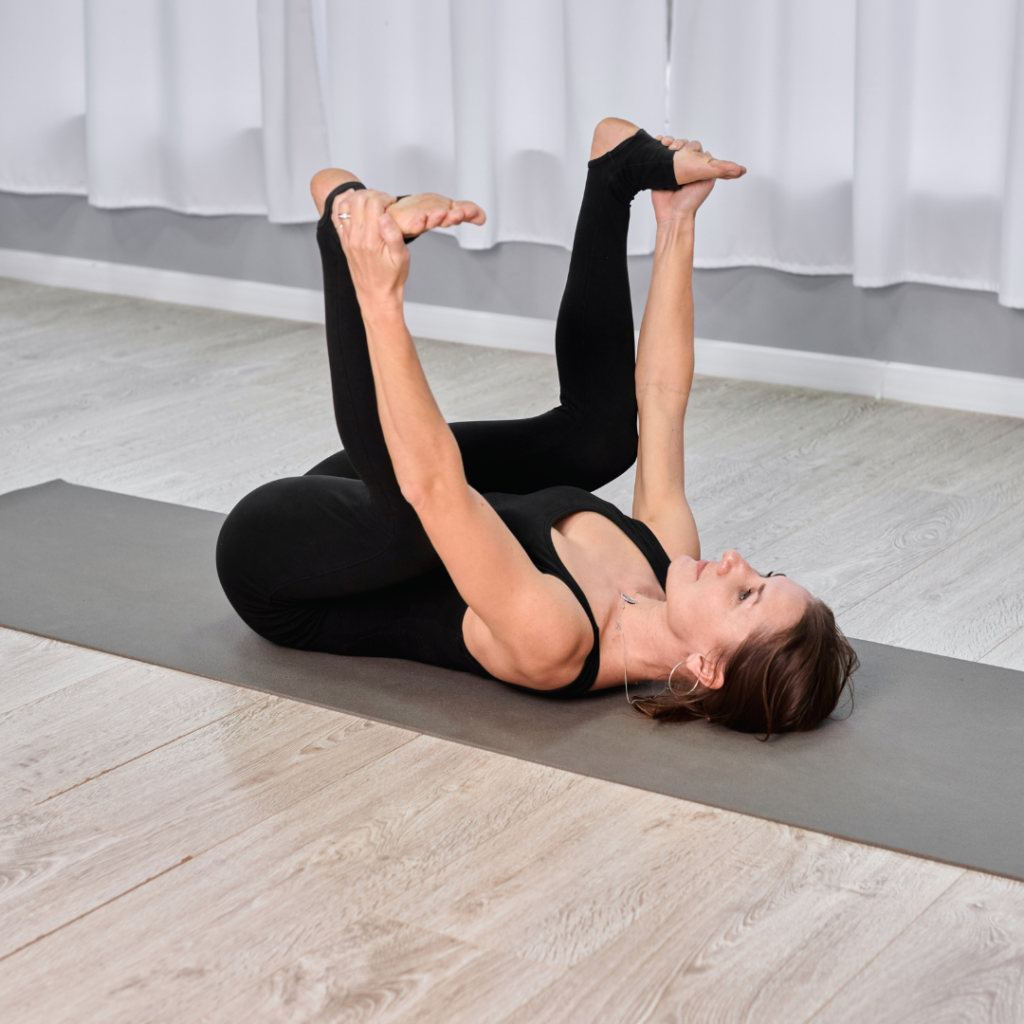
Starting a fitness routine as a beginner can feel overwhelming, but the key is to focus on simple, consistent exercises that build strength and endurance. Effective fitness routines for beginner women include a mix of cardio, strength training, and flexibility exercises tailored to individual fitness levels.
The right plan emphasizes gradual progress, avoiding injury while creating sustainable habits. Small, achievable goals with clear guidance maximize motivation and results without unnecessary complexity.
Understanding the basics of form and routine structure helps build confidence and ensures steady improvement. This approach makes fitness accessible and manageable, even for those new to exercise.
Benefits of Fitness for Beginner Women
Starting a fitness routine offers improvements that affect the body, mind, and self-esteem. These changes often lead to a healthier lifestyle and more positive daily habits. The effects can be both immediate and long-lasting with consistent effort.
Physical Health Advantages
Exercise helps improve cardiovascular health by lowering blood pressure and increasing heart efficiency. It also supports weight management through calorie burning and muscle development.
Regular activity can reduce the risk of chronic illnesses such as type 2 diabetes and osteoporosis. Strength training boosts bone density, which is important for women as they age.
Additionally, fitness routines enhance flexibility, balance, and coordination. These benefits lower the risk of injury both in daily life and during physical activity. Even moderate exercise supports better sleep quality and increases overall energy levels.
Mental Wellbeing Improvements
Physical activity triggers the release of endorphins, known as “feel-good” hormones. These help reduce symptoms of stress, anxiety, and mild depression.
Exercise creates a break from daily pressures, allowing for mental relaxation and increased focus afterward. It also improves cognitive functions like memory and concentration over time.
Joining group classes or exercising outdoors can encourage social interaction. This helps combat feelings of isolation and improves mood. The routine itself brings structure that supports emotional stability.
Building Confidence Through Exercise
As strength and endurance increase, many beginner women experience improved self-image. Seeing measurable progress, such as lifting heavier weights or finishing a workout, boosts self-esteem.
Setting realistic fitness goals encourages persistence and a sense of achievement. This translates to increased confidence in other areas of life, like work or social scenarios.
Physical improvements can also enhance body awareness and posture, influencing how women carry themselves. This outward confidence stems from a stronger mind-body connection gained through regular exercise.
Essential Guidelines Before Starting
Starting a fitness routine requires some preparation to ensure safety and effectiveness. Proper health checks, goal-setting, and workout gear play key roles in building a sustainable habit.
Consulting with Health Professionals
Before beginning any fitness program, it’s important to consult a doctor or healthcare provider. This is especially true if there are existing medical conditions like asthma, diabetes, or joint problems. A professional can provide guidance on safe exercise types and intensity levels.
Discuss any medications, injuries, or physical limitations that may affect activity. In some cases, they might recommend a fitness assessment or refer to a specialist such as a physical therapist. This step reduces the risk of injury and helps tailor a routine to personal health needs.
Setting Realistic Fitness Goals
Clear, achievable goals keep motivation high and track progress accurately. Goals should be specific (e.g., “walk 30 minutes five times per week”) rather than vague (“exercise more”). Setting short-term milestones supports consistency and long-term success.
Consider factors such as time availability, current fitness level, and personal interests. Goals should also allow room for flexibility to avoid discouragement. Writing goals down increases commitment.
Choosing the Right Workout Attire
Proper workout clothes improve comfort, performance, and safety. Invest in moisture-wicking fabrics to keep skin dry and reduce irritation during exercise. Avoid heavy cotton, which can trap sweat.
Footwear should provide adequate support based on the activity type. For example, running shoes for jogging and cross-trainers for gym workouts. Proper fit is critical to prevent blisters or injuries.
Additional items like sports bras, breathable socks, and weather-appropriate layers enhance comfort and prevent chafing or cold exposure.
Fundamental Fitness Principles
Successful fitness routines depend on regular practice, correct exercise execution, and gradual challenges. These elements help build strength safely, reduce injury risk, and foster long-term improvements.
Consistency and Routine
Building a consistent schedule is essential for progress. Aim to work out at least three times a week, focusing on creating a habit over intensity. Regular activity develops endurance, muscle adaptation, and confidence.
Setting specific days and times improves adherence. Tracking workouts using a journal or app can motivate and measure progress. Begin with manageable session lengths—20 to 30 minutes—to avoid burnout and allow gradual adjustment.
Rest days are necessary. They provide recovery, reduce fatigue, and prevent overtraining. Balance activity with recovery to maintain motivation and physical health.
Importance of Proper Form
Exercise form ensures efficiency and reduces injury risk. Using correct posture and movement patterns targets the intended muscles while protecting joints and ligaments.
Start with lighter weights or body-weight exercises to master form before increasing difficulty. Watching instructional videos or working with a trainer can provide valuable guidance.
Signs of poor form include pain, excessive strain, or unnatural movements. Stop and adjust to maintain safety. Good form maximizes workout benefits and builds a strong foundation for more advanced routines.
Progressive Overload for Beginners
Gradual increases in exercise difficulty stimulate muscle growth and fitness improvements. Increase weight, reps, or duration incrementally as strength and endurance improve.
Track progress carefully, adding small increments such as 5% more weight or 1-2 additional repetitions. Avoid sudden jumps that can lead to injury.
Variety matters. Change exercises, angles, or tempos to challenge muscles differently. Progressive overload ensures consistent gains without overwhelming the body or risking setbacks.
Key Types of Beginner Workouts
Starting a fitness routine involves focusing on exercises that build strength, improve cardiovascular health, and increase flexibility. These three areas create a balanced approach that supports overall fitness and daily activity.
Strength Training Basics
Strength training helps build muscle mass and bone density while boosting metabolism. Beginners should start with bodyweight exercises such as squats, lunges, push-ups, and planks. These moves improve muscle tone without needing equipment.
Using light dumbbells or resistance bands can add gradual challenge. Aim for 2-3 sessions weekly, performing 2-3 sets of 8-12 repetitions per exercise. Proper form is critical to avoid injury, so focusing on controlled movements and posture is essential.
Strength training encourages fat loss while preserving lean muscle, benefiting overall health in addition to appearance.
Cardio Exercises for Women
Cardio workouts improve heart health and endurance. Walking, cycling, swimming, and dancing are effective and accessible choices. Beginners should aim for at least 150 minutes of moderate-intensity cardio spread throughout the week.
Interval training, alternating between higher and lower intensity, can accelerate fitness gains but should be introduced gradually. Consistency is more important than intensity when starting.
Warm-up and cool-down phases reduce injury risk. Tracking progress with a fitness app or heart rate monitor can help maintain appropriate effort levels.
Flexibility and Stretching Routines
Flexibility exercises reduce muscle stiffness and improve joint range of motion. Stretching after warm-ups and workouts supports recovery and prevents injuries. Focus on major muscle groups such as hamstrings, calves, hips, shoulders, and back.
Dynamic stretches like leg swings or arm circles prepare the body before exercise. Static stretches held for 20-30 seconds promote relaxation post-exercise.
Yoga or Pilates classes can enhance flexibility while also strengthening core muscles. Begin with beginner-friendly routines targeting whole-body mobility for best results.
Sample Weekly Fitness Routine
Creating a structured plan involves balancing different types of workouts, allowing time for recovery, and monitoring your progress. These factors ensure steady improvement without overexertion.
Balanced Workout Schedule
A beginner routine should include a mix of cardio, strength training, and flexibility work. For example, schedule 3 days of cardio (e.g., brisk walking or cycling), 2 days of strength training focusing on major muscle groups, and 2 days of light activities like yoga or stretching.
A sample week might look like this:
| Day | Activity |
| Monday | Cardio (30 min) |
| Tuesday | Strength training |
| Wednesday | Yoga or stretching |
| Thursday | Cardio (30 min) |
| Friday | Strength training |
| Saturday | Cardio (30 min) |
| Sunday | Rest or light stretch |
This balance supports endurance, muscle tone, and flexibility while minimizing injury risk.
Rest and Recovery Strategies
Rest days are essential for muscle repair and overall progress. Beginners should include at least one full rest day and opt for active recovery like walking or gentle stretching on other days.
Sleep plays a key role—aim for 7-9 hours per night to support recovery.
Hydration and nutrition also impact recovery; drinking water and eating balanced meals rich in protein and healthy fats will help muscles rebuild and reduce fatigue.
Tracking Workout Progress
Keeping a simple log helps maintain motivation and identify improvements. Track the type, duration, and intensity of each workout to observe patterns over time.
Use apps, journals, or spreadsheets to record data and note how you feel physically after sessions.
Regularly review this information every two weeks. Adjust workouts by increasing weight, intensity, or duration gradually to continue progressing safely.
Safety and Injury Prevention
Proper preparation and recovery are essential to avoid injuries and maintain consistent progress. Recognizing physical limits and employing effective techniques can safeguard your fitness journey.
Warm-up Techniques
Warming up increases blood flow and raises muscle temperature, preparing your body for physical activity. Start with 5 to 10 minutes of light cardio, such as brisk walking or cycling, to gently elevate your heart rate.
Dynamic stretches improve mobility and activate muscles. Examples include leg swings, arm circles, and torso twists. Avoid static stretching before workouts, as it can reduce muscle strength and power temporarily.
Focus on the specific muscles you will use during your routine. For instance, if you plan to run, warm up with lower-body movements. This targeted approach enhances performance and lowers injury risk.
Cool-down Best Practices
Cooling down helps your body transition back to a resting state and reduces muscle stiffness. Spend 5 to 10 minutes performing low-intensity exercises like walking or gentle cycling.
Incorporate static stretches after exercise to improve flexibility and relax muscles. Hold each stretch for 20 to 30 seconds without bouncing.
Hydration and gradual heart rate reduction during cool-down promote faster recovery. Avoid stopping abruptly to prevent dizziness or cramps.
Identifying Signs of Overtraining
Overtraining can lead to decreased performance and increased injury risks. Watch for symptoms such as persistent fatigue, irritability, and difficulty sleeping.
Muscle soreness lasting more than 72 hours or frequent illness may also indicate overtraining. Pay attention to changes in resting heart rate or loss of motivation.
Adjust workout intensity or take rest days if these signs appear. Balance and recovery are critical for safe and sustainable progress.
Motivation and Staying Consistent
Maintaining a fitness routine requires practical strategies that build momentum and resilience. Focusing on clear goals, social connections, and overcoming common challenges helps sustain progress over time.
Setting Small Achievable Milestones
Breaking down your fitness goals into small, specific milestones makes them manageable and less overwhelming. For example, instead of aiming to run 5 miles immediately, start with walking 10 minutes daily and gradually increase.
Each milestone should be measurable and time-bound. Tracking progress weekly helps maintain focus. Celebrate reaching small goals, like completing a workout three times a week, to reinforce motivation.
Using a journal or app to log workouts and note improvements keeps you accountable. Adjust milestones based on your progress to ensure they remain challenging but achievable.
Finding Support and Accountability
Having a support system can significantly improve consistency in your fitness routine. This may include workout buddies, fitness groups, or online communities sharing similar goals.
Scheduling workouts with a partner creates external accountability. Sharing progress and setbacks openly encourages persistence and reduces the chance of skipping sessions.
Consider hiring a personal trainer or joining beginner classes for expert guidance. Regular check-ins with a coach or group reinforce commitment and provide motivation through encouragement and advice.
Overcoming Common Setbacks
Setbacks such as fatigue, busy schedules, or lack of immediate results are normal. Plan flexibility into your routine by scheduling shorter or gentler sessions on tough days.
Identify triggers that lead to skipping workouts, like stress or boredom, and create specific solutions such as changing workout type or time. Avoid setting unrealistic expectations that lead to frustration.
When motivation dips, remind yourself of past successes and reasons for starting. Consistency improves gradually—missing a day is not failure, but an opportunity to reset and continue.
Adapting Fitness Routines for Individual Needs
Fitness routines must be tailored to fit personal circumstances, resources, and schedules. Customizing workouts helps maintain consistency and ensures safety while meeting specific goals.
Home Exercises with Minimal Equipment
Exercises at home can be effective with little to no equipment. Bodyweight movements such as squats, lunges, push-ups, and planks build strength and endurance without machines.
Investing in a yoga mat, resistance bands, or dumbbells can expand workout options while keeping costs low. These tools target different muscle groups and add intensity.
Creating a clear, simple space for exercising avoids injury risks. Workouts can be easily modified in duration or intensity depending on fitness levels and progression.
Incorporating Family or Friends
Including family or friends in workouts increases motivation and consistency. Partner workouts like circuit training, walking, or dancing make exercise social and enjoyable.
Accountability improves when someone shares workout goals. Group activities also offer emotional support and encouragement during challenging days.
Choosing exercises suitable for all participants ensures everyone benefits. Flexibility in routine timing helps accommodate varying schedules and energy levels.
Adjusting Workouts for Busy Lifestyles
Short, focused workouts fit best with limited time. Sessions lasting 15-30 minutes using high-intensity interval training (HIIT) or circuit training maximize calorie burn and muscle engagement.
Scheduling exercise during breaks, early mornings, or evenings ensures it becomes part of the daily routine. Prioritizing consistency over duration maintains progress without overwhelming time commitments.
Using mobile apps or timers can guide quick, effective workouts. Flexibility in routine design helps adapt to changing daily demands.