
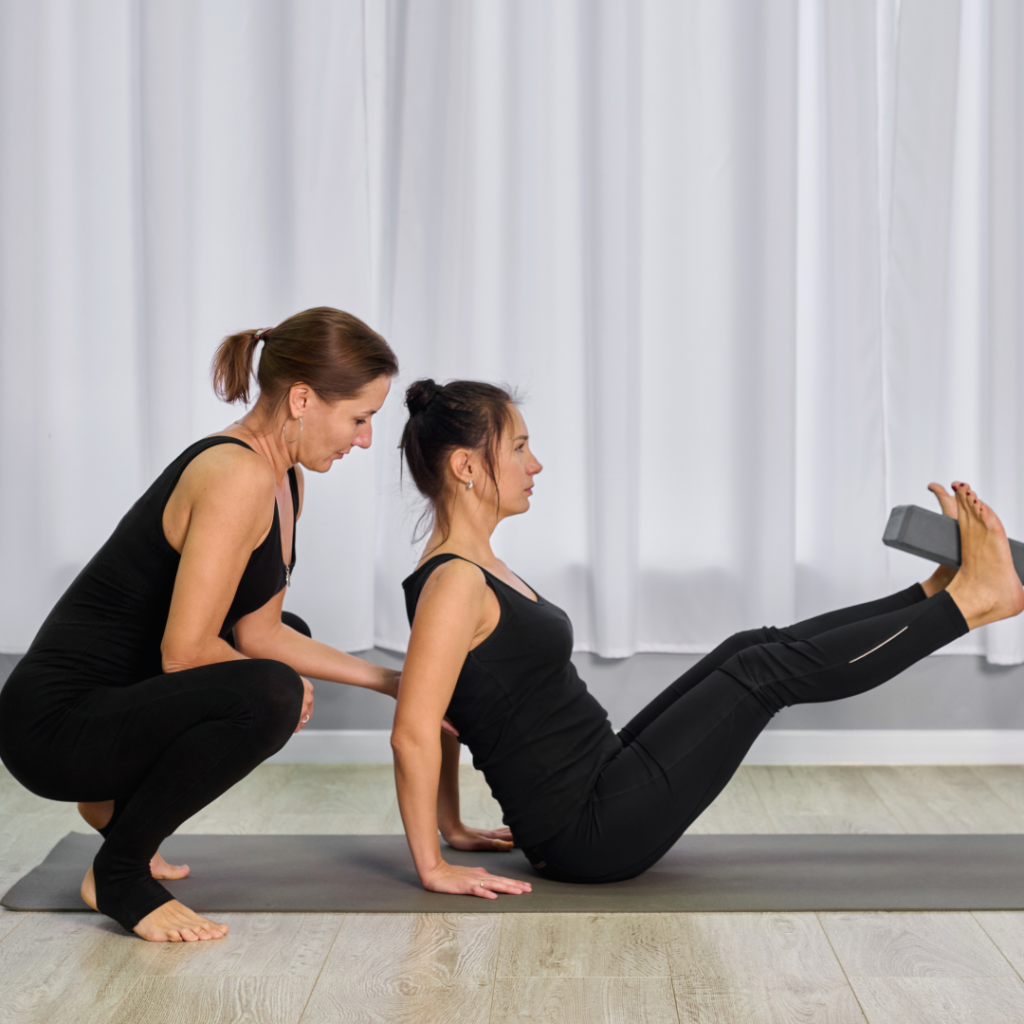
Flexibility training is essential for improving range of motion, reducing injury risk, and enhancing overall movement quality. Beginner flexibility routines focus on simple, consistent stretches that target major muscle groups without causing strain.
These routines emphasize gradual progress and proper technique to ensure safety and effectiveness. Incorporating flexibility exercises into your regular schedule can lead to noticeable improvements in mobility and comfort.
By starting with basic movements tailored for beginners, you build a foundation that supports more advanced flexibility work in the future. This approach helps maintain motivation while preventing common setbacks like overstretching or muscle soreness.
Understanding Flexibility for Beginners
Flexibility involves the ability of muscles and joints to move through their full range of motion. Training for flexibility requires understanding its nature, distinct benefits, and various types.
What Is Flexibility?
Flexibility is the capacity of a joint or series of joints to move freely without pain or restriction. It depends on muscle length, joint structure, and connective tissue elasticity.
It varies among individuals and can change with age, activity level, and genetics. Improving flexibility often involves stretching exercises targeting specific muscles around joints. Proper warm-up is crucial to safely increase flexibility.
Benefits of Flexibility Training
Increased flexibility improves posture and reduces muscle tension. It helps prevent injuries by allowing joints to move more easily and adapt to different movements.
Enhanced flexibility can also improve physical performance in activities requiring agility and balance. Regular stretching may reduce soreness and speed recovery after workouts.
Mental benefits include better relaxation and stress reduction due to controlled breathing and mindful movement during stretching.
Types of Flexibility
There are three main types of flexibility: static, dynamic, and passive.
- Static flexibility is the ability to hold a stretch at the end of a joint’s range of motion.
- Dynamic flexibility involves moving joints through their full range with controlled speed.
- Passive flexibility requires an external force, such as a partner or equipment, to move the joint.
Beginners often start with static stretches and gradually incorporate dynamic movements as control and strength improve.
Safety and Preparation
Starting flexibility training requires careful attention to your body’s readiness and awareness of potential risks. Preparing properly can prevent injury and promote steady progress.
Proper Warm-Up Techniques
Warm-ups increase blood flow to muscles and improve joint mobility, which helps reduce stiffness. Start with 5-10 minutes of light cardio, such as brisk walking or cycling, to elevate your heart rate gradually.
Follow this with dynamic stretches like leg swings, arm circles, or torso twists to gently engage muscles through movement. Avoid static stretching before your body is warmed up, as it can lead to strains.
Focus on muscle groups you plan to work on, moving each joint through a comfortable range. Warm-ups prepare your nervous system for stretching and reduce muscle tightness that might limit flexibility.
Common Risks and How to Avoid Them
Flexibility training carries risks such as muscle strains, joint injuries, and overstretching. Pain beyond mild discomfort usually signals overstretching or poor technique and should be avoided promptly.
Key risks include:
- Bouncing during stretches: Causes muscle tears
- Forcing deeper stretches: Leads to ligament damage
- Ignoring pain signals: Can worsen injuries
To avoid these risks, stretch slowly and hold each position steadily for 15-30 seconds. Use proper form and avoid pushing beyond a comfortable stretch. Listen to your body and stop if you feel sharp pain.
Incorporate rest days to allow recovery. Consulting a professional for personalized guidance can also reduce injury risk.
Core Flexibility Principles
Effective flexibility training depends on understanding the types of stretching and how often and how long to perform them. Both factors influence progress, safety, and overall muscle health during your routine.
Static vs. Dynamic Stretching
Static stretching involves gently holding a muscle in an elongated position for 15-60 seconds. This method helps improve overall muscle length and joint range of motion when done consistently.
Dynamic stretching consists of controlled, active movements that take joints through their full range repeatedly. It is ideal as a warm-up to increase blood flow and prepare muscles for activity.
Key differences:
| Aspect | Static Stretching | Dynamic Stretching |
| Purpose | Increase muscle length and flexibility | Warm-up, increase mobility, and blood flow |
| Timing | Post-activity or separate session | Pre-activity or workout warm-up |
| Movement | Held position | Continuous, controlled movement |
| Risk of injury | Lower if done carefully | Can be higher if done too fast |
Frequency and Duration Guidelines
Beginner flexibility training should ideally happen 3-5 times per week for consistent improvement. Each session should last about 10-20 minutes, focusing on major muscle groups.
Holding static stretches between 15 and 30 seconds per muscle group is optimal for beginners. Repeating each stretch 2-4 times enhances flexibility gains.
Dynamic stretches are best performed in sets of 8-12 controlled reps per movement during warm-ups. Avoid bouncing or fast, jerky motions, which can cause injury.
Tracking frequency and duration helps prevent overtraining and supports steady progress.
Essential Flexibility Exercises
Improving flexibility requires targeted movements that focus on key muscle groups. Prioritizing consistency and proper form helps reduce injury risk while enhancing muscle elasticity and joint mobility. These exercises cover important areas for balanced flexibility development.
Lower Body Stretches for Beginners
Start with dynamic stretches like leg swings to warm up the hamstrings and hip flexors. Static stretches, such as the seated forward bend, focus on the hamstrings. Hold each stretch for 20-30 seconds, avoiding bouncing.
A fundamental stretch is the standing quadriceps stretch: balance on one leg, pull the opposite foot toward the buttocks, keeping knees aligned. This targets the front thigh and promotes knee joint flexibility.
Add calf stretches using a wall: place one foot back with heel down and lean forward to feel the stretch. These improve ankle mobility, crucial for walking and running.
Upper Body Flexibility Moves
Shoulder rolls and arm circles help loosen the shoulder joints, preparing them for deeper stretches. Focus on the cross-body shoulder stretch by pulling one arm across the chest and holding it with the opposite arm to relax the rear deltoids.
Incorporate wrist stretches by extending the arm and gently pulling fingers back, easing tension in the forearms. Neck stretches involve tilting the head slowly to each side, holding for 15-20 seconds to release stiffness.
Triceps stretches with the arm overhead and pulling the elbow downward increase upper arm flexibility and reduce muscle tightness common from daily activities.
Stretching for the Back and Spine
Spine flexibility is essential for core strength and posture. The cat-cow stretch mobilizes the spine by alternating between arching and rounding the back on hands and knees. Perform slowly for 10-15 reps.
Seated spinal twists, with one arm crossing the opposite knee and the torso rotating, improve rotational flexibility. Hold the position briefly while breathing deeply.
The child’s pose gently elongates the lower back and hips. Hold for 30 seconds to relieve tension and increase circulation in the spinal muscles.
Building an Effective Beginner Flexibility Routine
Creating a consistent routine involves balancing effort, recovery, and progression. Understanding how to organize training sessions and measure your improvements will help you stay motivated and improve safely.
How to Structure Your Sessions
Start each session with a 5-10 minute warm-up, such as brisk walking or gentle dynamic stretches, to increase blood flow and reduce injury risk. Focus on major muscle groups: hamstrings, hips, shoulders, and lower back.
Use static stretches held for 20-30 seconds, repeating 2-3 times per muscle group. Avoid bouncing or forcing the stretch, as this can cause strain. Limit sessions to 20-30 minutes, 3-4 times per week for effective progress without overtraining.
Incorporate a mix of static and dynamic stretches. Dynamic stretches prepare muscles for movement, while static stretches improve muscle length and joint flexibility after warm-up or at the end of a workout.
Tracking Progress and Setting Realistic Goals
Measure flexibility improvements with simple tests like the sit-and-reach or shoulder flexibility test every 2-4 weeks. Write down how far you can reach or your range of motion for key joints.
Set specific, achievable goals such as touching your toes, improving hip mobility, or increasing shoulder rotation by a certain degree. Break long-term goals into smaller milestones for motivation.
Be patient; flexibility gains come gradually. Avoid comparing yourself to others. Adapt your routine based on progress and any discomfort, prioritizing steady, injury-free improvements.
Tips for Staying Consistent
Maintaining a regular flexibility routine requires deliberate effort and planned approaches. Identifying ways to keep motivation high and recognizing typical obstacles can help improve consistency.
Motivation Strategies
Setting specific, achievable goals increases focus. For example, aim to improve the split by one inch per month or hold a stretch for 30 seconds longer weekly.
Track progress visually through pictures or a journal. Seeing small improvements reinforces commitment.
Use reminders like calendar alerts or phone notifications to establish routine cues.
Pair stretching with activities you enjoy, such as listening to music or podcasts during the routine. This enhances the experience and reduces mental resistance.
Accountability partners or group classes offer external motivation. Sharing progress can motivate continued practice.
Overcoming Common Barriers
Time constraints often prevent consistent stretching. Schedule short sessions, even 5-10 minutes, to maintain momentum.
Avoid pain by starting gently and respecting your current limits. Overstretching leads to injury and discouragement.
Distractions can break focus; choose a quiet, dedicated space for training.
Lack of energy or tiredness is common; practice flexibility in the morning or during breaks when energy levels are higher.
If motivation dips, revisit goals and remind yourself of benefits like reduced stiffness and improved posture. Adjust routines if needed to maintain interest.
Complementary Practices for Flexibility
Incorporating complementary practices can enhance flexibility training effectively. These practices support muscle health and improve the range of motion beyond traditional stretches.
Foam rolling helps release muscle tightness and improves blood flow. Using a foam roller before or after stretching can prepare muscles for movement and speed up recovery.
Breath control plays a key role during flexibility exercises. Deep, rhythmic breathing relaxes muscles and aids in the gradual increase of stretch intensity.
Strength training balances muscle flexibility. Strengthening opposing muscle groups prevents imbalances that can reduce mobility or cause injury.
| Practice | Benefits | When to Use |
| Foam Rolling | Muscle release, circulation | Before/after stretching |
| Breath Control | Muscle relaxation, focus | Throughout routines |
| Strength Training | Muscle balance, injury prevention | 2-3 times per week |
Consistency in these practices aids long-term flexibility improvements. Avoid rushing stretches; patience leads to safer gains.
When to Progress Your Routine
Progressing your flexibility routine depends on several key indicators. First, if you can perform all stretches with ease and hold positions without discomfort, it may be time to increase intensity or duration.
Consistency is critical. After practicing your current routine 3-4 times a week for at least 4-6 weeks, evaluate your progress. If improvements plateau, consider advancing your exercises.
Signs you should progress include:
- Reduced muscle tightness
- Ability to reach further in stretches
- Less discomfort during movements
Progression can be made by:
- Increasing hold time by 10-15 seconds
- Adding more sets or repetitions
- Introducing deeper or more complex stretches
Avoid rushing into advanced stretches. Maintaining proper form and avoiding pain must remain priorities. Gradual progression minimizes injury risk and promotes steady improvement.
Tracking your flexibility over time is helpful. Simple tests like reaching your toes or touching your fingertips behind your back can provide measurable goals. When these become easier, it signals readiness to step up your routine.