
A strong core is essential for maintaining balance and stability in daily activities and athletic performance. Incorporating targeted core workouts can significantly enhance one’s ability to stay upright and move efficiently, reducing the risk of falls and injury. Engaging the muscles of the abdomen, back, and pelvis helps create a solid foundation for overall body strength and coordination.
Many individuals underestimate the importance of core strength in activities such as running, cycling, and even simple tasks like standing up from a chair. Effective core workouts not only improve balance but also contribute to better posture and less back pain. By focusing on exercises that challenge both stability and strength, anyone can enhance their physical capabilities.
Understanding which exercises specifically target core stability can lead to improved performance and greater confidence in movement. By exploring various core workouts, individuals will find practical options to incorporate into their routines, enhancing overall balance and stability.
Understanding Core Strength, Balance, and Stability
Core strength significantly influences balance and stability, which are essential for various physical activities and daily tasks. A strong core supports the body, enhances posture, and improves overall functionality in movements.
Defining Core Strength and Its Role
Core strength refers to the stability provided by the abdominal muscles, lower back, hips, and pelvis. This area acts as a powerhouse, facilitating movement and maintaining balance.
Strong abdominal muscles and well-conditioned back muscles are vital for supporting the spine and ensuring proper alignment during physical activity.
Without adequate core strength, the body is more prone to injuries and dysfunctions. Individuals with strong cores tend to demonstrate improved athletic performance and reduced fatigue while performing activities.
Why Balance and Stability Matter
Balance and stability enable individuals to maintain control during movement. These skills are crucial for preventing falls, particularly in older adults.
When core strength is insufficient, maintaining balance during everyday activities, such as walking or climbing stairs, becomes challenging.
Additionally, improved stability allows for safer execution of exercises and sports activities, reducing the risk of injuries. Routine activities like household chores, which require bending or reaching, also rely heavily on balance and stability.
Impact on Everyday Activities
Core strength directly affects routine movements, such as lifting objects or performing mundane chores.
Many daily activities, including cleaning, gardening, or playing with children, involve stability and coordination.
Proper core engagement makes these tasks easier and enhances overall efficiency, allowing for smoother, more controlled movements.
By maintaining balance, individuals can navigate uneven surfaces or carry items without risking falls or strain. Strengthening the core not only contributes to fitness but significantly supports everyday living.
Essential Core Workouts to Improve Balance and Stability
Core workouts play a crucial role in enhancing balance and stability. These exercises strengthen the muscles that support the spine, pelvis, and shoulder, providing a solid foundation for movement and improving overall functionality.
Planks for Dynamic Stability
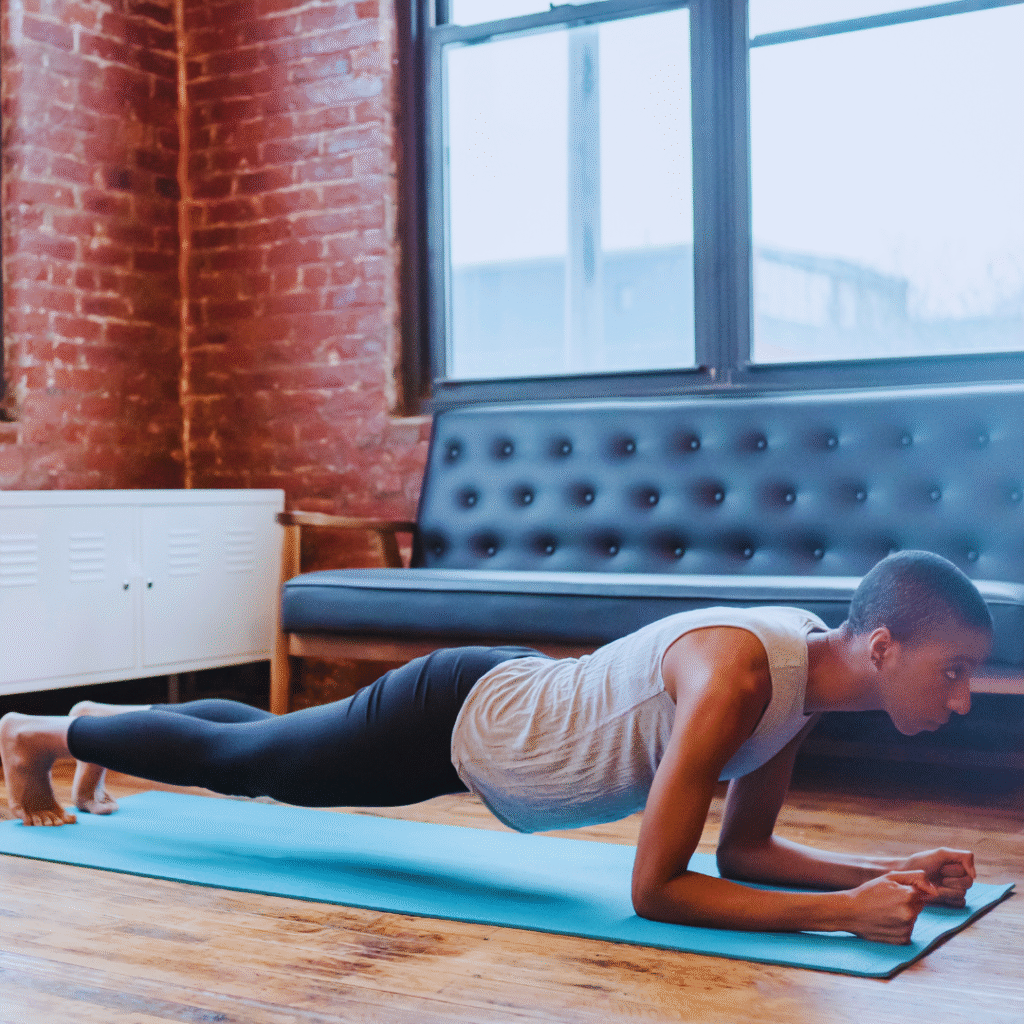
Planks are a fundamental exercise for building core strength and enhancing stability. They engage multiple muscle groups, including the abdominals, back, and shoulders.
To perform a standard plank, lie face down and lift the body off the ground, supporting it on the forearms and toes. The body should form a straight line from head to heels.
This position should be held for 20 to 60 seconds. Variations such as side planks and dynamic planks, where one arm or leg is lifted, can increase difficulty and improve balance further.
Bridge Pose for Lower Back Support
The bridge pose is not only beneficial for lower back strength but also for core stability. This exercise targets the glutes, hamstrings, and lower back muscles.
To execute the bridge pose, lie on the back with your knees bent and your feet flat on the floor. Press through the feet and lift the hips toward the ceiling, maintaining a straight line from knees to shoulders.
Hold this position for 20 to 30 seconds while engaging the core. Repeating this exercise can help create a stronger posterior chain, contributing to better balance.
Swiss Ball Exercises for Functional Strength
Swiss ball exercises offer a unique approach to improving core strength and stability. The instability of the ball forces the core muscles to work harder for stabilization during various movements.
Exercises like the ball roll-out, where an individual kneels and rolls the ball forward, engage the core significantly. Another effective move is the ball pass, where the individual passes the ball between their hands and feet while lying on their back.
Incorporating Swiss ball exercises into a workout routine can enhance functional strength, which is critical for daily activities that require balance.
Lunges for Core Engagement
Lunges are more than just a lower body exercise; they also engage the core effectively. This movement challenges balance while strengthening the legs and improving overall stability.
To perform a basic lunge, step forward with one leg, lowering the body until both knees are at 90-degree angles. The core should remain tight throughout the movement to maintain balance.
Variations like the lateral lunge or reverse lunge can further challenge stability and promote core engagement. Regular practice can lead to enhanced balance and functional movement.
Designing Your Core Workout Routine for Mobility and Endurance
Creating a core workout routine that enhances mobility and endurance requires a systematic approach. Specific exercises and principles can help establish a foundation for better balance and stability while promoting overall core strength.
Structuring an Effective Routine
An effective core routine should include a mix of stability, strength, and endurance exercises. A well-rounded plan might involve:
- Frequency: Aim for three to four sessions per week.
- Duration: Each session should last 20 to 30 minutes.
- Exercise Selection: Incorporate a variety of movements targeting different muscle groups.
Exercises like planks, side planks, and dead bugs can build foundational strength. Combining these with functional movements such as squats or lunges enhances overall core engagement, directly contributing to mobility.
Improving Agility and Endurance
Incorporating agility drills into the routine significantly improves endurance and responsiveness. High-intensity interval training (HIIT) can be effective. Consider including:
- Burpees: Great for overall fitness and core activation.
- Mountain Climbers: Enhance coordination and speed.
- Tuck Jumps: Improve explosive power and balance.
These movements challenge core stability while fostering quicker responses. To maximize endurance, progressively increase the intensity or duration of these drills, ensuring continual adaptation and improvement.
Incorporating Mobility-Focused Movements
Including dynamic stretches and mobility, exercises is essential for a well-rounded core routine. Effective movements to consider are:
- Torso Rotations: Encourages spinal mobility.
- Hip Openers: Improves lower body flexibility while engaging the core.
- Cat-Cow Stretches: Enhances spinal mobility and coordination.
Integrating these movements helps in maintaining a flexible and agile core. The focus on mobility ensures that the muscles supporting the core remain functional, reducing injury risk during more strenuous activities.