
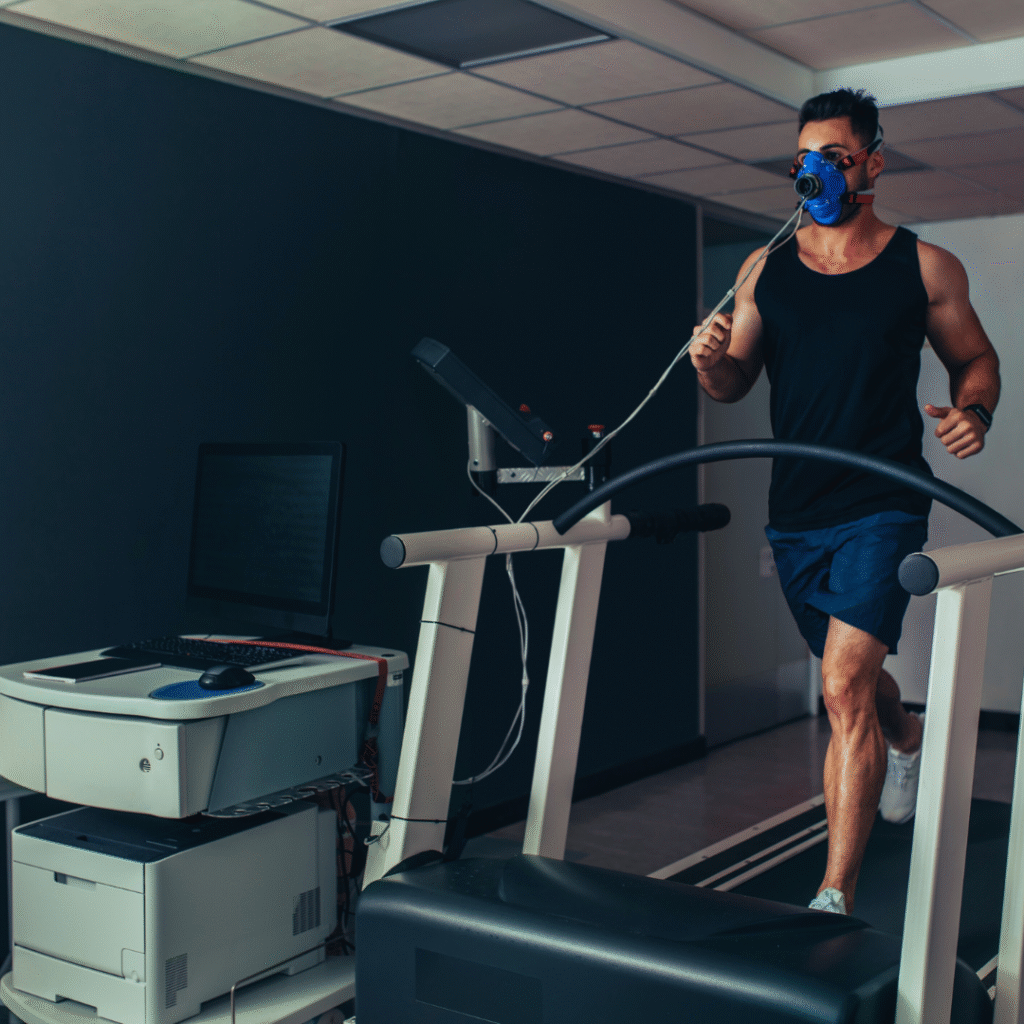
Biomechanics plays a critical role in athletic training, offering insights into how the body moves and functions during physical activity. By analyzing the forces exerted during exercises or sports, athletes and coaches can develop more effective training programs tailored to improve performance and reduce injury risk. Understanding biomechanics enables athletes to optimize their movements, enhancing efficiency and strength while minimizing the likelihood of injuries.
Incorporating biomechanical principles into training regimens allows for targeted improvements. For instance, analyzing running gait can lead to adjustments that enhance speed and energy conservation. This application of science not only assists in performance enhancement but also provides athletes with a deeper awareness of their bodies.
As sports participation continues to rise, so does the need for evidence-based approaches in training. Emphasizing biomechanics opens the door to innovative strategies that can redefine an athlete’s capabilities. By appreciating the complexities of movement, both athletes and trainers can achieve greater success in their endeavors.
Fundamentals of Biomechanics in Athletic Training
Biomechanics plays a crucial role in optimizing athletic performance and minimizing injury risks. This section explores key aspects of biomechanics, including its definition, core principles of human motion, and the importance of kinesiology in sports training.
Defining Biomechanics
Biomechanics is the study of the mechanical laws that govern human movement. It combines principles from physics, engineering, and biology to analyze how external forces, including gravity, affect athletes during various activities. Understanding these mechanics helps in improving performance by refining techniques and strategies in sports.
Mechanical analysis, a key component of biomechanics, involves examining the forces acting on an athlete’s body. This analysis helps identify optimal movement patterns and can highlight areas that require adjustments to enhance efficiency and prevent injuries.
Core Principles of Human Motion
Human motion is influenced by several core principles, such as balance, coordination, and force production.
- Balance is vital in maintaining stability and control while performing athletic movements.
- Coordination refers to the effective integration of body parts to execute complex tasks smoothly.
- Force Production relates to how muscles generate the necessary force for movement.
Athletes must understand how these principles interact for effective execution in their respective sports.
External forces, such as friction and air resistance, can also impact performance. Recognizing these forces allows athletes to make tactical adjustments when required.
Role of Kinesiology in Sports
Kinesiology, the scientific study of human movement, complements biomechanics by providing insights into muscle function. It focuses on the anatomy and physiology related to athletic activities.
Kinesiologists analyze movement patterns to improve athletic performance and design training programs tailored to individual needs.
This discipline also addresses injury prevention and rehabilitation. Understanding how the body moves helps in developing effective strategies to recover from injuries and ensure long-term athletic performance.
The integration of kinesiology and biomechanics effectively supports athletes in reaching their potential while prioritizing their health and safety.
Key Components of Movement Mechanics
Movement mechanics involve various intricate components that impact athletic performance. Understanding these elements can enhance training effectiveness and prevent injuries. The focus areas include movement patterns, muscle activation, and ground reaction forces.
Movement Patterns and Joint Angles
Movement patterns refer to the specific ways the body executes different activities. They hinge on joint angles, which are critical for optimizing performance and reducing injury risk. Proper joint alignment enhances efficiency and effectiveness during physical activity.
Athletes must recognize the importance of joint angles during movements such as running, jumping, or lifting. For instance, in a squat, the knees, hips, and ankles form specific angles that influence load distribution and muscle engagement. Maintaining appropriate joint angles helps ensure that stress is distributed evenly across joints, minimizing wear and tear.
Muscle Activation and Muscle Groups
Muscle activation is vital for producing efficient movements. Different exercises engage specific muscle groups, necessitating a keen understanding of which muscles work together. For example, in sprinting, the hip flexors, quadriceps, and calf muscles are primarily involved.
Effective training programs need to focus on correct muscle activation patterns. This not only improves athletic performance but also plays a role in injury prevention. Athletes should use techniques like complex training or plyometrics to stimulate fast-twitch muscle fibers, enhancing strength and power. Monitoring muscle engagement can lead to more tailored training methodologies.
However, optimal muscle activation is not always consistent. Past injuries, stress, or improper movement patterns can disrupt the communication between the brain and muscles, causing certain muscles to underperform while others overcompensate. In such cases, working with muscle activation technique specialists in Santa Monica or elsewhere can help identify these imbalances. These professionals assess how muscles respond to movement and apply targeted, non-invasive methods to restore proper function, supporting better movement and long-term recovery.
Ground Reaction Force and Foot Contact
Ground reaction force (GRF) is a crucial factor in understanding movement mechanics. It describes the force exerted by the ground in response to an athlete’s foot contact. This force significantly influences stability and propulsion during activities such as jumping or running.
Foot contact plays a key role in how GRF is managed. Proper foot placement and technique can enhance performance while reducing injury risks. For instance, landing softly during a jump effectively dissipates GRF, allowing for smoother transitions and better control. Training to optimize foot contact strategies can lead to improved athletic outcomes.
Biomechanical Assessment and Performance Optimization
Biomechanical assessments are essential for enhancing athletic performance. Analyzing technique, measuring force, and evaluating movement efficiency contribute to optimizing performance in sports.
Technique Analysis and Mechanical Performance
Technique analysis focuses on the optimal execution of movements in athletic training. It involves assessing joint angles, body positioning, and movement patterns during an athlete’s performance. Through video analysis and direct observation, coaches can pinpoint inefficiencies and areas for improvement.
Effective technique not only enhances performance but also reduces the risk of injury. Adjustments in technique can lead to better mechanical advantages, allowing athletes to produce more force with less effort. This synergy between proper technique and mechanical performance is crucial in sports biomechanics.
Use of Force Plates and Electromyography
Force plates are invaluable tools that measure ground reaction forces during athletic movements. By analyzing these forces, coaches can understand the power generated during jumps, sprints, or other actions. This data helps in fine-tuning training programs that align with specific performance goals.
Electromyography (EMG) complements force plate data by measuring muscle activation. By identifying which muscles engage during specific movements, athletes can adjust their training to enhance muscle coordination and strength. Together, force plates and EMG provide a comprehensive view of mechanical performance.
Evaluating Efficiency and Style
Evaluating efficiency involves assessing how effectively an athlete utilizes their energy during performance. By examining elements like speed, power output, and fatigue levels, coaches can develop strategies to improve an athlete’s efficiency.
Style plays a significant role in performance as well. Each athlete may have a unique movement style, which can be optimized for better outcomes. Refining both efficiency and style often leads to improved performance metrics, helping athletes to better meet their competitive goals in their respective sports.
Applied Biomechanics in Various Sports and Injury Prevention
Biomechanics plays a crucial role in enhancing athletic performance and reducing the risk of injuries across various sports. Understanding movements and the forces involved allows for the optimization of techniques and targeted injury prevention strategies.
Sport-Specific Movement in Running, Soccer, and Basketball
In running, biomechanics focuses on stride length and frequency, which are essential for speed and efficiency. Distance runners must manage their center of gravity and ground reaction forces to minimize fatigue.
In soccer, proper kicking techniques and joint angles during sprinting can enhance performance and reduce injury risk. The ability to plant the foot while maintaining balance is vital.
Basketball requires quick lateral movements and vertical jumps. Biomechanical analysis helps athletes improve their jumping mechanics and landing techniques, which can significantly reduce the incidence of ankle and knee injuries.
Biomechanics in High Jump, Tennis, Volleyball, and Weightlifting
High jump biomechanics emphasize optimal takeoff angles and body positioning to achieve maximum height. Athletes must master the Fosbury Flop technique, focusing on the rotation and clearance of the body over the bar.
In tennis, understanding racket angle and body movement impacts shot accuracy and power. Proper biomechanics can minimize stress on the shoulder and elbow, reducing the risk of overuse injuries.
Volleyball players benefit from biomechanics through improved jumping techniques and effective arm swings. Analyzing landing mechanics can help in preventing knee and ankle injuries.
Weightlifting relies heavily on proper form, including posture and joint alignment. Biomechanics ensures that movements are efficient while minimizing injury risks, particularly in the lower back and shoulders.
Strategies for Injury Prevention and Rehabilitation
Injury prevention strategies include tailored training regimens that incorporate biomechanics to enhance sport-specific movements. Identifying weaknesses and analyzing movement patterns can help in designing appropriate strength and conditioning programs.
Rehabilitation programs benefit from biomechanical assessments. Monitoring recovery through biomechanics allows trainers to adapt exercises that promote healing while addressing any lingering movement deficiencies.
Developing individualized training plans ensures athletes can adjust their techniques to prevent injury risks associated with overload or improper mechanics. This personalized attention significantly reduces recovery time.
Personalized and Integrated Approaches to Preventing Injuries
An integrated approach to injury prevention combines biomechanical analysis with physical therapy and strength training. This strategy allows for a comprehensive understanding of an athlete’s body and specific needs.
Personalized injury prevention methodologies take into account factors such as age, fitness level, and sport-specific demands. By focusing on individual biomechanics, athletes can receive targeted interventions.
Incorporating technology, such as wearables, offers real-time feedback on performance and movement patterns. This data enables coaches and trainers to make informed decisions on athlete training and recovery strategies, ultimately enhancing performance and safety.