
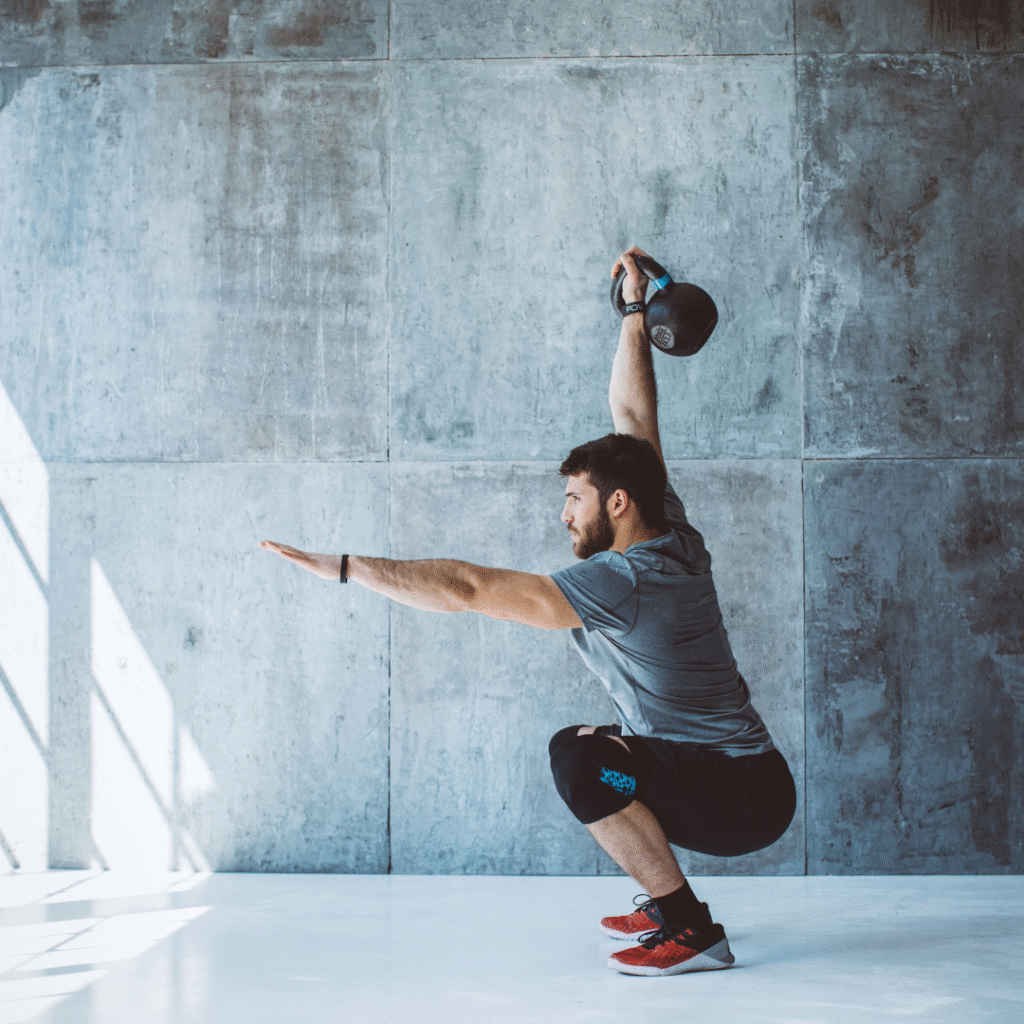
Cross-training has become an essential practice for athletes seeking to enhance their performance across various sports. By incorporating different training modalities, individuals can develop complementary skills that contribute to their primary athletic pursuits. The primary benefit of cross-training is its ability to improve overall fitness, reduce the risk of injury, and enhance specific performance aspects related to one’s sport.
Incorporating aerobic, strength, flexibility, and skill-based training into a routine can create a more balanced athlete. For instance, runners may benefit from strength training to build muscle, while swimmers can improve their endurance through cycling. This diverse approach not only prevents burnout but also leads to notable gains in performance capacity.
Athletes who cross-train are often better prepared to tackle the demands of their sport. Utilizing various training strategies fosters resilience and adaptability, which can be crucial during competitions. By exploring different disciplines, athletes refine their skills, which can lead to significant advancements in their performance.
Core Benefits of Cross-Training for Sports Performance
Cross-training significantly enhances an athlete’s performance in various ways. It contributes to improved overall fitness, endurance, stamina, strength, and flexibility, all vital for competing at high levels.
Enhanced Overall Fitness
Cross-training incorporates multiple forms of exercise, allowing athletes to develop a well-rounded fitness profile. Engaging in different activities can prevent fitness plateaus and keep training routines fresh.
This variety targets various muscle groups, enhancing coordination and balance. As a result, athletes not only improve their physical abilities but also reduce the risk of overuse injuries. Cross-training promotes cardiovascular health, which is crucial for optimal performance in any sport.
Improved Endurance and Stamina
Endurance and stamina are crucial for athletes aiming to sustain performance throughout their events. Cross-training emphasizes aerobic conditioning through diverse workouts like cycling, swimming, and rowing, which effectively builds cardiovascular endurance.
By incorporating high-intensity interval training (HIIT) and other aerobic activities, athletes can challenge their bodies in new ways, promoting greater energy efficiency. This approach leads to improved oxygen uptake and utilization, allowing athletes to perform at higher intensities for longer periods.
Boosted Strength and Flexibility
Strength and flexibility are essential components of athletic performance. Cross-training routines often include resistance training and flexibility exercises such as yoga and Pilates.
By incorporating these elements, athletes can enhance their muscular strength while improving their range of motion. Increased strength supports peak performance by enabling athletes to execute movements more powerfully and efficiently. Enhanced flexibility reduces the risk of injury and contributes to quicker recovery times, allowing for consistent training and performance.
Physiological Advantages and Injury Prevention
Cross-training offers significant physiological benefits that enhance overall sports performance while also minimizing the risk of injuries. By promoting muscular balance, flexibility, and core strength, athletes can achieve improved functional capacity in their primary sports.
Balanced Muscle Groups and Core Strength
Engaging in cross-training develops balanced muscle groups, which is crucial for athletic performance. Targeting different muscle sets prevents imbalances that can lead to injury. For instance, runners often overdevelop their quadriceps at the expense of their hamstrings.
By incorporating strength training, athletes can enhance core strength, which is fundamental for stability during dynamic movements. A strong core supports proper posture and movement patterns, reducing the likelihood of strains. Improved muscular balance also helps maintain optimal bone density, contributing to long-term physical health.
Prevention of Overuse Injuries
Cross-training plays a vital role in preventing overuse injuries, which are common in specialized sports. By varying workout routines, athletes can reduce repetitive strain on specific joints and muscles. For example, a swimmer who also participates in cycling decreases stress on the shoulders while still maintaining cardiovascular fitness.
Additionally, introducing low-impact activities like swimming or cycling offers active recovery without the same risk of injury associated with high-impact exercises. This varied approach allows for better adaptation to physical stress, lowering the likelihood of tendonitis or stress fractures.
When these small cracks develop in the bones of the foot or ankle, they often start as mild discomfort during exercise. Many runners ignore the early warning signs and try to push through the pain. This repetitive impact makes the damage worse and can lead to a complete bone break. If you suspect this type of injury, getting a proper diagnosis from specialists who treat stress fractures New York helps prevent long-term complications. Early medical attention ensures that the bone heals correctly before you return to high-impact sports.
Improved Mobility and Flexibility
Enhanced mobility and flexibility are crucial for optimal athletic performance as well. Cross-training activities such as yoga or Pilates can significantly improve an athlete’s range of motion. Increased flexibility allows for more efficient movement patterns, which can enhance speed and agility in competitive situations.
Moreover, maintaining good mobility contributes to joint health, which is essential for injury prevention. Athletes with higher mobility levels are less prone to strains and tears since their muscles and tendons can better accommodate dynamic movements. Regular cross-training practices ensure athletes stay versatile and resilient in their respective sports.
Integrating Cross-Training Into a Sports Training Regime
Efficient integration of cross-training can enhance an athlete’s overall capabilities. By strategically incorporating various exercises, athletes can address muscle imbalances, improve endurance, and reduce the risk of injury.
Building an Effective Workout Routine
A successful cross-training workout routine should include a mix of aerobic, strength, flexibility, and skill-based exercises. Athletes often start by assessing their primary sport’s demands and identifying areas for improvement.
For instance, a runner might benefit from swimming or cycling to boost cardiovascular fitness without the stress on joints.
Sample Routine:
- Monday: 30 minutes cycling, 20 minutes strength training
- Wednesday: 40 minutes swimming
- Friday: 30 minutes of yoga or Pilates for flexibility
This variety not only enhances performance but also keeps the training interesting.
Optimizing Training Regimes for Peak Performance
To reach peak performance, athletes should ensure their training regime embraces a holistic approach. This means balancing training loads and recovery periods effectively.
Cross-training should not overshadow the specificity of training necessary for the primary sport. For example, a basketball player might integrate agility drills and plyometric exercises alongside traditional strength training to enhance explosiveness.
Monitoring progress through data tracking can help refine the training schedule. Adjusting intensity and frequency based on performance outcomes further supports sustained improvement.
Utilizing a coach or trainer can also provide valuable insights into optimizing an athlete’s cross-training plan for maximum benefits.
Popular Cross-Training Activities and Modalities
Cross-training incorporates a variety of activities designed to enhance overall athletic performance. This section highlights popular modalities that contribute to improved cardio, strength, flexibility, and endurance.
Running, Swimming, and Cycling
Running, swimming, and cycling are foundational cardiovascular activities. Each modality builds cardiovascular health and lung capacity while offering unique benefits.
- Running improves leg strength and endurance, making it a favorite for athletes in sports like soccer and basketball. It enhances cardiovascular fitness and can be easily incorporated into any training routine.
- Swimming is a low-impact workout that emphasizes full-body strength while preserving joint health. The resistance of water adds a unique challenge, boosting muscular endurance and lung capacity.
- Cycling allows for distance training and is excellent for joint recovery. It strengthens the leg muscles while improving aerobic capacity, making it a great option for athletes training for triathlons.
Strength Training and Weightlifting
Strength training and weightlifting focus on enhancing muscle strength and endurance. These modalities build lean muscle mass and improve overall athletic performance.
- Strength training includes exercises like bodyweight workouts, resistance bands, and gym machines. This variety helps in developing functional strength that translates into sports performance.
- Weightlifting, particularly Olympic lifts, develops explosive strength and power. Athletes benefit from improved muscle coordination, contributing to better performance in dynamic sports scenarios.
Combining these elements fosters balance, flexibility, and the muscular endurance necessary for various sports.
Yoga, Pilates, and Mobility Training
Yoga, Pilates, and mobility training enhance flexibility, core strength, and muscular balance. These activities support injury prevention and recovery, essential for any athlete.
- Yoga focuses on flexibility and mental discipline. Regular practice promotes balance, coordination, and a greater range of motion, aiding in recovery and performance.
- Pilates strengthens the core while emphasizing proper alignment and posture. This focus on the body’s center supports other athletic endeavors by enhancing stability.
- Mobility training concentrates on joint health and functional movement. Incorporating these exercises helps athletes move more efficiently and reduces the risk of injury.
Martial Arts, Rowing, and Climbing
Martial arts, rowing, and climbing offer unique combinations of strength, agility, and endurance training. They appeal to athletes for their comprehensive physical demands.
- Martial arts improve agility and balance while providing excellent cardiovascular workouts. Techniques enhance discipline and coordination, valuable traits in all sports.
- Rowing is a full-body workout that emphasizes endurance and strength. It requires teamwork and can significantly improve cardiovascular fitness while building upper and lower body muscles.
- Climbing challenges both physical and mental limits. It enhances grip strength, flexibility, and problem-solving skills, contributing directly to athletic versatility.
Each of these activities presents opportunities for athletes to diversify their training and improve specific performance metrics.