
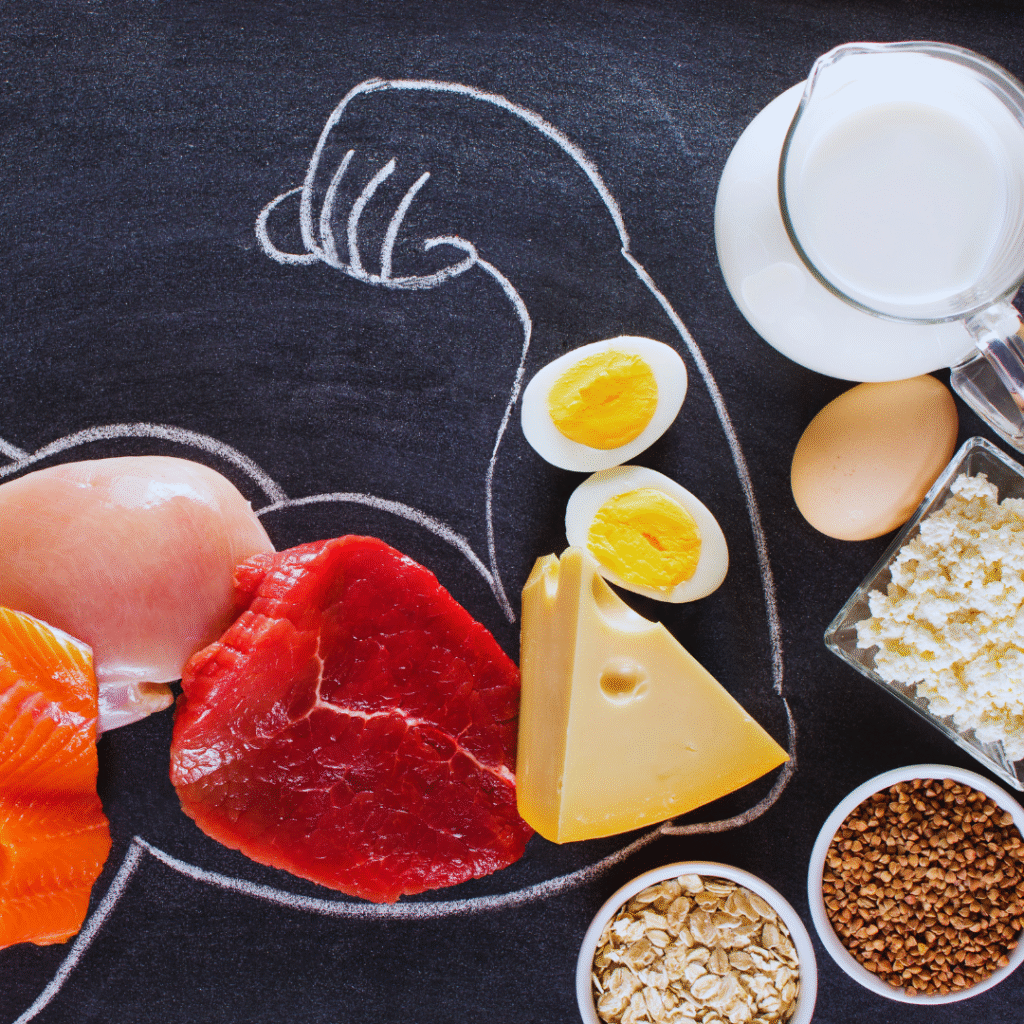
For anyone looking to enhance their physique, understanding nutrition is key. Certain foods can significantly aid muscle growth by providing essential nutrients that support recovery and development. Incorporating these foods into a daily diet not only promotes physical transformation but also underscores the importance of a balanced, healthy diet in achieving fitness goals.
Proteins like chicken, fish, and plant-based sources such as lentils and quinoa serve as fundamental building blocks for muscle gain. Alongside protein, healthy fats and carbohydrates from sources like avocados and whole grains fuel workouts and replenish energy storage. Prioritizing these nutrient-rich foods can help build not just the body, but also a mindset focused on health and well-being.
As individuals embark on their fitness journey, awareness of how diet impacts results can be a game changer. Integrating these naturally supportive foods into meal planning can make a significant difference, setting the foundation for successful muscle development and overall health.
Core Nutrients That Power Muscle Growth
Muscle growth, repair, and overall health rely heavily on specific core nutrients. Understanding the role of proteins, carbohydrates, and healthy fats can help optimize training and recovery.
The Role of Protein in Muscle Building
Protein is essential for muscle building and repair. Lean protein sources such as chicken, turkey, fish, and legumes provide the amino acids necessary for protein synthesis. Consuming a variety of protein sources ensures the intake of all essential amino acids, which are crucial for muscle repair after exercise.
The recommended protein intake for muscle growth typically falls between 1.6 to 2.2 grams of protein per kilogram of body weight. Incorporating protein-rich foods like dairy, eggs, and plant-based options helps meet these needs. Post-workout protein consumption can enhance recovery and facilitate muscle adaptation.
Carbohydrates and Energy for Training
Carbohydrates serve as the primary fuel source for energy-intensive workouts. Complex carbohydrates, including oatmeal, brown rice, sweet potatoes, and whole grains, provide sustained energy, helping to improve performance during training.
For optimal muscle growth, a balance of carbohydrate intake is essential. Depending on the intensity and duration of the training, one should aim for a carbohydrate intake of 3 to 7 grams per kilogram of body weight. This approach supports both energy production and recovery, enabling effective training sessions.
Fats for Hormonal Balance and Recovery
Healthy fats are critical for maintaining hormonal balance, including testosterone levels, which play a significant role in muscle growth. Foods rich in omega-3 fatty acids, such as avocados, fish oil, and olive oil, are beneficial for reducing inflammation and supporting recovery.
Including healthy fats in the diet can also aid in the absorption of fat-soluble vitamins and promote overall cellular health. Aiming for about 20 to 35% of total daily calories from healthy fats supports muscle recovery and hormonal function effectively.
Best Foods That Naturally Support Muscle Growth
A variety of foods can help support muscle growth by providing essential nutrients, particularly protein and calories. The following sections focus on the best animal-based and plant-based sources, as well as nutrient-dense fruits, vegetables, and whole grains.
Top Animal-Based Muscle-Building Foods
Animal-based proteins are complete proteins, meaning they contain all essential amino acids. These foods are critical for muscle repair and growth.
- Chicken Breast: It is a lean source of protein, offering about 31 grams of protein per 100 grams. It’s low in fat and versatile for various recipes.
- Beef: Rich in protein and creatine, beef supports muscle recovery. A 100-gram serving typically contains around 26 grams of protein.
- Fish: Salmon and cod are excellent options. Salmon provides omega-3 fatty acids, which combat inflammation. Cod is lean and high in protein as well.
- Eggs: They are nutrient-rich, containing about 6 grams of protein per egg. The yolk also supplies essential vitamins like B12.
- Dairy Products: Foods like yogurt and cottage cheese are high in casein protein, perfect for muscle maintenance. Greek yogurt can have up to 10 grams of protein per 100 grams.
Plant-Based Protein Powerhouses
Plant-based foods are also effective for muscle growth, providing protein and other critical nutrients.
- Lentils and Beans: Both are high in protein and fiber. One cup of lentils offers about 18 grams of protein.
- Chickpeas: These provide approximately 15 grams of protein per cooked cup and can be used in various dishes.
- Quinoa: It is unique as a complete protein source, yielding around 8 grams of protein per cup when cooked.
- Nuts and Seeds: Almonds, walnuts, and chia seeds are excellent sources of healthy fats and protein. A quarter-cup of almonds has about 7 grams of protein.
- Nut Butter: Almond butter and other nut butters are calorie-dense and rich in nutrients. Two tablespoons provide around 7 grams of protein along with healthy fats.
Nutrient-Dense Fruits and Vegetables
Fruits and vegetables provide essential vitamins and antioxidants that support overall health and muscle recovery.
- Leafy Greens: Spinach and kale are high in vitamins A, C, and K. They help reduce inflammation and supply iron.
- Berries: Blueberries and strawberries contain antioxidants that may help in speeding up recovery after workouts.
- Bananas: These are potassium-rich, which is important for muscle function and can help prevent cramps.
- Sweet Potatoes: A great source of complex carbohydrates, they provide energy for workouts. They also contain vitamins A and C.
Muscle-Boosting Whole Grains and Carbohydrate Sources
Whole grains contribute essential carbohydrates, fueling workouts and supporting muscle recovery.
- Oatmeal: Providing about 6 grams of protein per cooked cup, it also contains fiber, contributing to satiety.
- Brown Rice: This whole grain offers complex carbohydrates, providing sustained energy and about 5 grams of protein per cooked cup.
- White Rice: It is a quick source of carbohydrates, useful post-workout for muscle recovery, with around 4 grams of protein per cooked cup.
- Whole Grain Bread: A couple of slices can offer about 8 grams of protein along with dietary fiber.
Incorporating these foods into a balanced diet can significantly support muscle growth and overall health.
Optimizing Your Diet for Maximum Muscle Gain
To achieve maximum muscle gain, it is essential to focus on macronutrient balance, recovery processes, and vital micronutrients. Each component plays a crucial role in supporting muscle growth, energy production, and overall performance.
Balancing Macronutrients for Lean Muscle
A well-rounded diet for muscle growth must emphasize macronutrient balance. Protein is fundamental as it provides the amino acids necessary for muscle repair and growth. Aim for a daily intake of 1.6 to 2.2 grams of protein per kilogram of body weight.
Carbohydrates are vital for replenishing glycogen stores, which fuel workouts. Complex carbs such as whole grains, legumes, fruits, and vegetables should form 45-65% of the total caloric intake.
Healthy fats also play a role in hormone production and overall caloric surplus. Including sources like avocados, nuts, and seeds contributes to a balanced diet. Aim for 20-35% of total calories from fats, prioritizing omega-3 fatty acids to assist in reducing inflammation and supporting recovery.
Enhancing Recovery and Reducing Inflammation
Post-workout nutrition is essential for muscle recovery. Consuming a mix of protein and carbohydrates within 30 minutes after exercising can significantly aid recovery and muscle synthesis.
Incorporating foods rich in omega-3 fatty acids, such as salmon and flaxseeds, helps to reduce inflammation. This can improve recovery times and overall muscle function.
Staying hydrated is also crucial; dehydration can hinder recovery and performance. Additionally, ensuring adequate intake of magnesium aids in muscle contraction and relaxation, which further supports recovery processes.
Micronutrients Vital for Strength and Energy
Micronutrients play an essential role in supporting energy production and overall health. B vitamins, including B12, are critical for converting food into energy, particularly for athletes engaged in strenuous training. Ensuring an adequate intake of foods such as lean meats, eggs, and dairy products is beneficial.
Vitamin D is another important nutrient, as it helps in muscle function and bone health. This vitamin can be obtained from sunlight, fortified foods, and fatty fish.
Vitamin A also supports immune function and can be found in colorful fruits and vegetables such as carrots and spinach. These micronutrients collectively boost strength and energy levels, facilitating better training outcomes and muscle growth.
Building a Muscle-Supportive Meal Plan
Creating a meal plan that supports muscle growth involves selecting the right combination of foods and ensuring consistency. By focusing on nutrient-dense options, individuals can optimize their dietary intake to enhance muscle recovery and development.
Practical Shopping List for Muscle Growth
A targeted shopping list helps streamline muscle-building efforts. Individuals should prioritize whole foods rich in protein and nutrients. Essential items include:
- Protein Sources: Chicken breast, eggs, cottage cheese, and various protein powders.
- Legumes and Grains: Beans, quinoa, and whole grains for complex carbohydrates.
- Healthy Fats: Nuts, seeds, and nut butter to provide essential fatty acids.
- Fruits and Vegetables: A variety such as spinach, broccoli, and bananas for vitamins and minerals.
This approach ensures a balanced diet that supports energy levels and recovery times during workouts. Shopping at local markets may offer fresher options and potential savings.
Sample Meals and Snack Ideas
Incorporating practical meal and snack options can simplify adhering to a muscle-supportive plan. Here are some ideas:
- Breakfast: Scrambled eggs with spinach and whole-grain toast; Greek yogurt with fruit and nuts.
- Lunch: Grilled chicken salad with mixed vegetables and a quinoa base; bean and vegetable stir-fry.
- Dinner: Baked salmon with sweet potatoes and broccoli; lean turkey meatballs with whole-wheat pasta.
- Snacks: Cottage cheese with pineapple, protein shakes, or nut butter on rice cakes.
These meals sustain energy levels and promote muscle repair post-workout.
Tips for Consistency and Progress Tracking
Staying consistent is vital for muscle growth. Individuals might utilize fitness apps for tracking meals, workouts, and progress. Key strategies include:
- Goal Setting: Identify specific, measurable objectives related to muscle gain.
- Workouts: Engage in a mix of strength training and cardio tailored to personal goals.
- Community Support: Join a fitness group or partner with a training buddy for accountability.
Incentives like earning specialty badges for workout streaks can motivate continued effort. Consistent tracking helps individuals adjust their meal plans as needed to meet evolving fitness objectives.